Honke Gohoubi Home

Category

Culture & Traditions

16 articles

The Farewell That Never Ends: Japan's Forgotten Rituals of Departure and What They Reveal About a Culture That Honors the Last Moment as Much as the First

The Farewell That Never Ends: Japan's Forgotten Rituals of Departure and What They Reveal About a Culture That Honors the Last Moment as Much as the First

In Japan, the moment a guest rises to leave is not the end of hospitality — it is one of its most carefully observed chapters. Through a set of deeply ingrained departure customs known collectively under the spirit of okuri-dashi, Japanese hosts transform the act of saying goodbye into a sustained expression of respect. For Americans accustomed to ending gatherings with little ceremony, these traditions offer a profound and quietly unsettling mirror.

When Sorry Is Not Enough: What Japan's Culture of Sunao Reveals About the Dying Art of Genuine Remorse

When Sorry Is Not Enough: What Japan's Culture of Sunao Reveals About the Dying Art of Genuine Remorse

In Japan, an apology is not a transaction — it is a ritual of relational restoration rooted in the cultural ideal of sunao, an honest and unguarded openness that Americans rarely encounter in public or private life. From the full prostration of dogeza to the carefully chosen silence that follows an admission of wrongdoing, Japanese culture treats remorse as a discipline. As conflict fatigue spreads across American workplaces, relationships, and political discourse, Japan's tradition of the meani

Before You Cross the Threshold: What Japan's Genkan Ritual Reveals About the Invisible Line Between the World and the Home

Before You Cross the Threshold: What Japan's Genkan Ritual Reveals About the Invisible Line Between the World and the Home

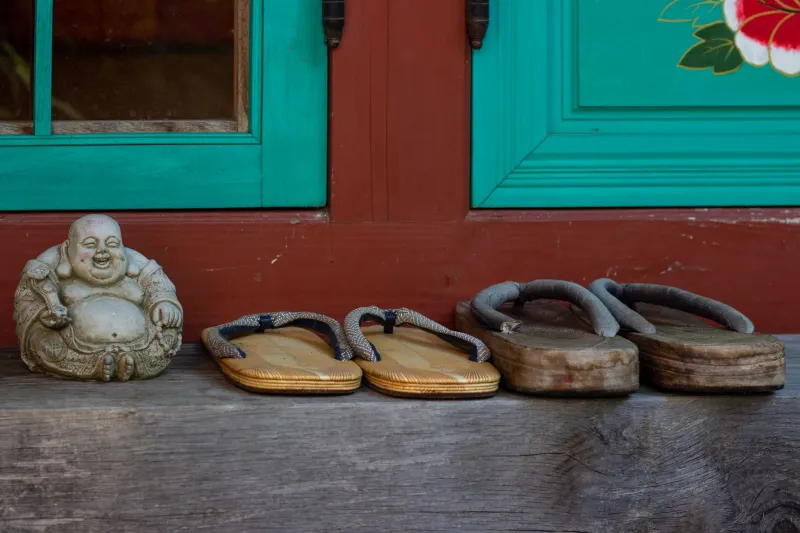
In Japan, the act of removing one's shoes before entering a home is far more than a matter of cleanliness — it is a ritual acknowledgment that the domestic space is sacred, separate, and worthy of deliberate transition. The genkan, a small recessed entryway found in virtually every Japanese home, encodes centuries of cultural values about purity, hospitality, and the weight of crossing from the outside world into someone's private life. For Americans who rarely pause at their own front doors, th

Two Hands, One Moment: The Japanese Ceremony of Meishi Koukan and What It Reveals About the True Cost of a Rushed Introduction

Two Hands, One Moment: The Japanese Ceremony of Meishi Koukan and What It Reveals About the True Cost of a Rushed Introduction

In Japan, the exchange of a business card is far more than a transfer of contact information — it is a carefully choreographed ritual that treats every professional introduction as a moment worthy of genuine attention. Meishi koukan, the formal practice of presenting and receiving business cards with deliberate care and mutual respect, stands as a quiet rebuke to the transactional speed of modern American networking. Understanding its principles may offer professionals in the United States somet

When the Wrapping Is the Message: Japan's Noshi Tradition and the Forgotten Discipline of Giving With Intention

When the Wrapping Is the Message: Japan's Noshi Tradition and the Forgotten Discipline of Giving With Intention

Centuries before the gift receipt became a standard courtesy, Japanese culture codified gratitude into a physical object — a folded ornament called noshi that declared a gift's sincerity before it was ever opened. Rooted in ceremony and refined over generations, noshi transforms the act of giving into something closer to a vow. For Americans navigating a culture of next-day delivery and automated appreciation, this quiet tradition poses an uncomfortable and necessary question: do we actually mea

Seventy-Two Reasons to Pay Attention: How Japan's Ancient Micro-Season Calendar Offers Overscheduled Americans a New Way to Measure Time

Seventy-Two Reasons to Pay Attention: How Japan's Ancient Micro-Season Calendar Offers Overscheduled Americans a New Way to Measure Time

Long before smartphones and shared Google calendars, Japan developed a system for tracking time so precise it could tell you when the first bush warbler would sing. The traditional Koyomi calendar and its 72 micro-seasons — known as shichijūni kō — divided the year not by quarterly reports or national holidays, but by the earth's own quiet announcements. For Americans exhausted by a culture that treats every season as a backdrop for productivity, this ancient framework offers something genuinely

The Power of the Pause: How Japan's Martial Concept of Ma'ai Is Redefining Stillness as Strength for Overstimulated Americans

The Power of the Pause: How Japan's Martial Concept of Ma'ai Is Redefining Stillness as Strength for Overstimulated Americans

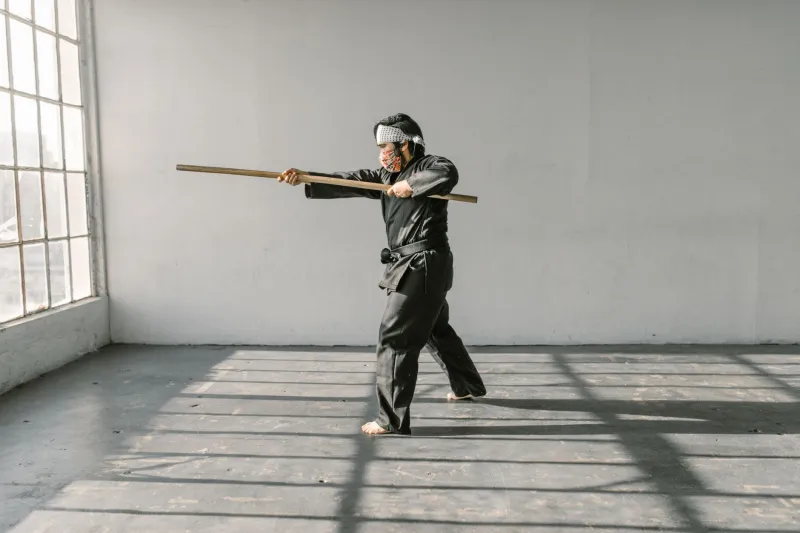
In Japanese martial arts, ma'ai describes the precise, intentional distance a practitioner maintains from an opponent — a discipline that has quietly expanded into one of Japan's most quietly influential cultural philosophies. Far from passivity, this concept reframes deliberate withdrawal as a form of refined power. For Americans conditioned to equate constant motion with productivity, ma'ai may offer a long-overdue correction.

One Knife, One Life: What Japan's Shokunin Masters Can Teach a Burned-Out America About the Power of Doing Less

One Knife, One Life: What Japan's Shokunin Masters Can Teach a Burned-Out America About the Power of Doing Less

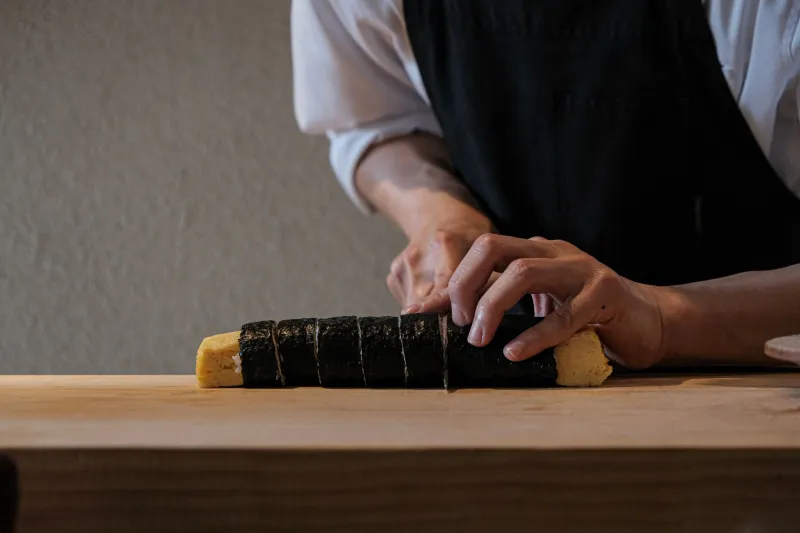
In Japan, the shokunin — a master craftsperson who surrenders an entire lifetime to a single pursuit — represents one of the most quietly radical ideas in human culture. At a moment when American professionals are drowning under the pressure to pivot, diversify, and hustle across multiple disciplines, the shokunin philosophy offers something almost subversive: the profound dignity of doing one thing extraordinarily well.

This Moment Will Never Come Again: The Japanese Philosophy of Ichigo Ichie and What It Asks of Us

This Moment Will Never Come Again: The Japanese Philosophy of Ichigo Ichie and What It Asks of Us

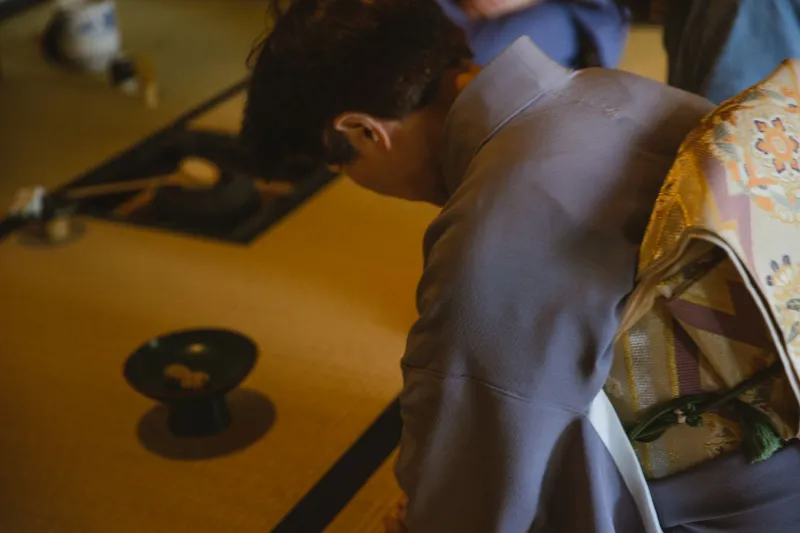
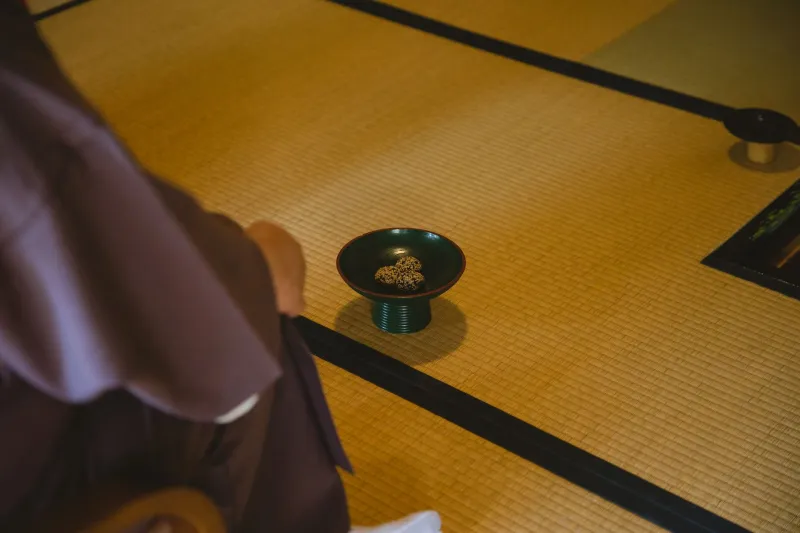
Rooted in the quiet discipline of the Japanese tea ceremony, ichigo ichie — 'one time, one meeting' — is a philosophy that treats every encounter as singular and irreplaceable. In a culture that screenshots everything and assumes every experience can be replayed, this ancient Japanese concept poses a quietly radical challenge. Here is what it means, where it comes from, and how Americans might begin to live by it.

More Than Money in an Envelope: The Japanese Tradition of Otoshidama and What It Quietly Teaches Children About Honor, Gratitude, and the Weight of a Gift

More Than Money in an Envelope: The Japanese Tradition of Otoshidama and What It Quietly Teaches Children About Honor, Gratitude, and the Weight of a Gift

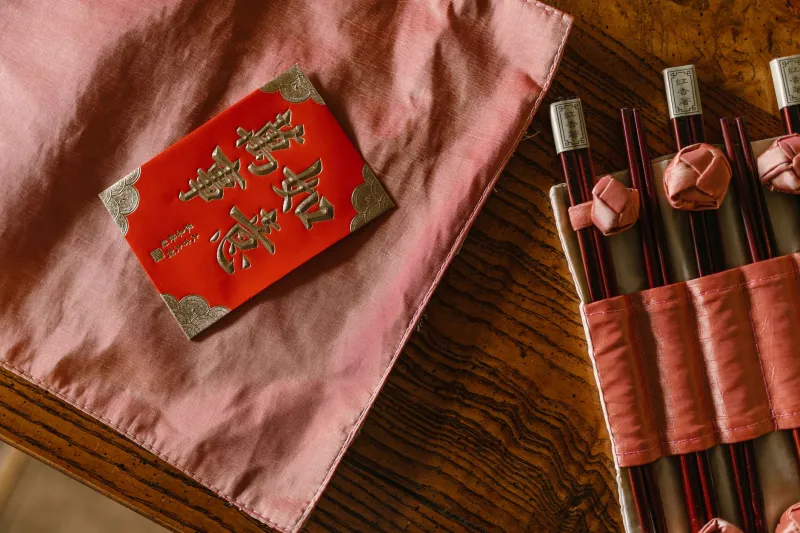
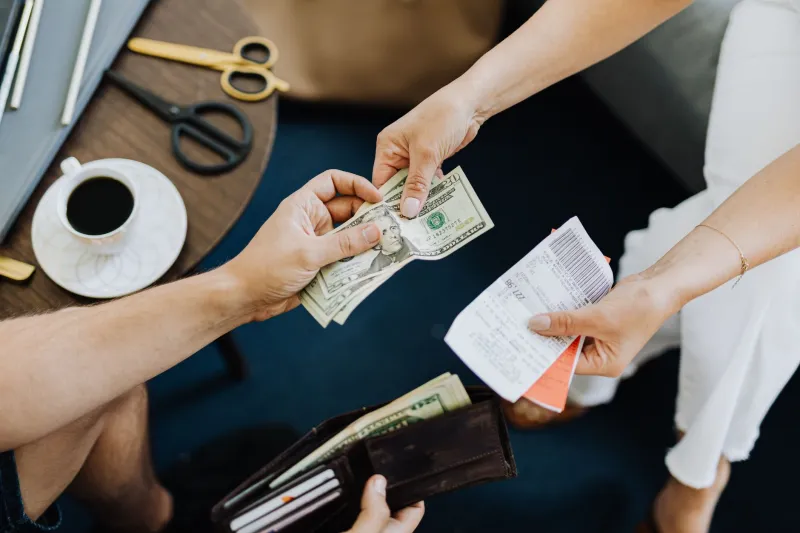
Every January, across Japan and within Japanese-American households throughout the United States, children receive small decorated envelopes containing crisp, carefully chosen bills — not as casual gifts, but as deliberate transmissions of cultural value. The tradition of otoshidama is far older than it appears, and far more instructive than any allowance system Western families have devised. Understanding it means rethinking what money, when given with intention, is actually capable of communic

Broken and More Beautiful: What the Japanese Craft of Kintsugi Teaches Us About Imperfection, Resilience, and the Things We Throw Away

Broken and More Beautiful: What the Japanese Craft of Kintsugi Teaches Us About Imperfection, Resilience, and the Things We Throw Away

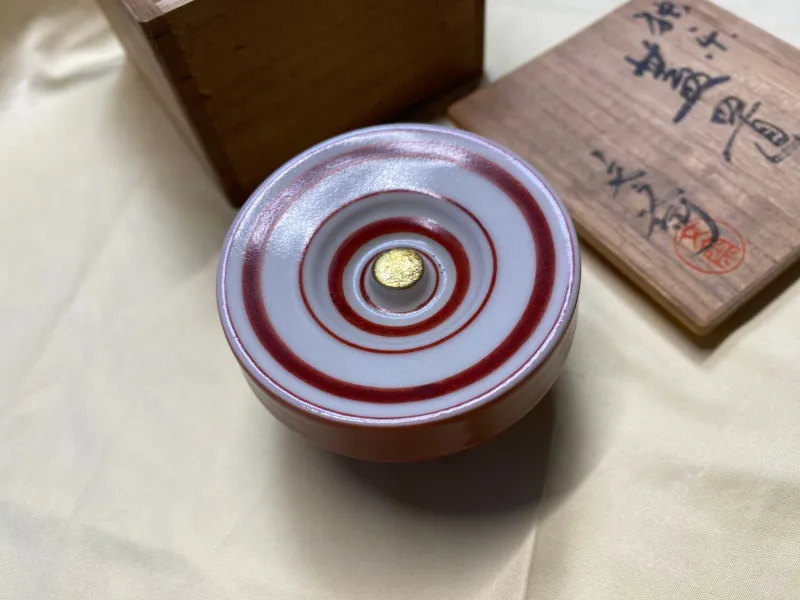
In Japan, a cracked bowl is not a ruined bowl — it is a bowl with a story. The centuries-old practice of Kintsugi transforms shattered pottery into objects of greater beauty by sealing breaks with gold, silver, or platinum lacquer. As American consumer culture continues its relentless cycle of discarding and replacing, this ancient philosophy offers a quietly radical alternative.

What You Bring Back Matters: The Japanese Custom of Omiyage and the Lost American Art of Thoughtful Giving

What You Bring Back Matters: The Japanese Custom of Omiyage and the Lost American Art of Thoughtful Giving

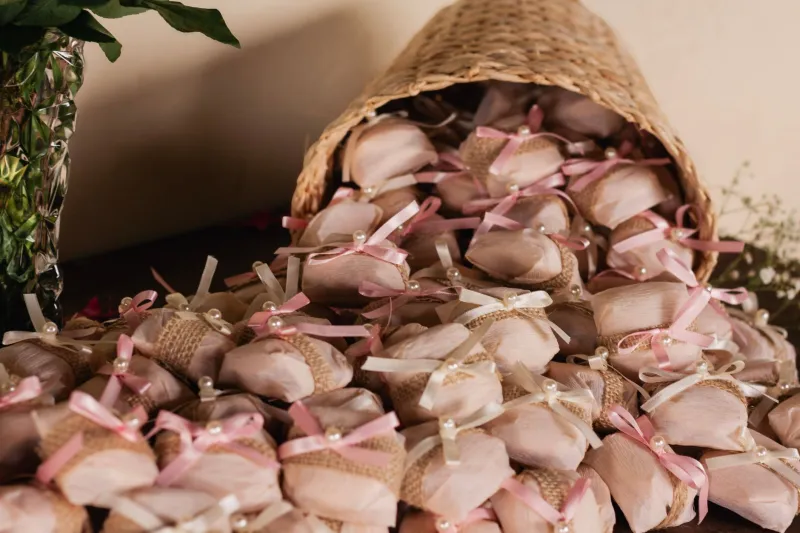
In Japan, returning from a trip without gifts for your loved ones and colleagues is considered a social misstep — not out of obligation alone, but because of a deeply held belief that travel is something meant to be shared. The custom of omiyage transforms the act of souvenir-buying into a ritual of connection, gratitude, and community. Here is why this centuries-old tradition may be exactly what American social culture is missing.

Serving Without Being Asked: How Japan's Philosophy of Omotenashi Is Quietly Reshaping American Hospitality

Serving Without Being Asked: How Japan's Philosophy of Omotenashi Is Quietly Reshaping American Hospitality

Long before customer satisfaction surveys and loyalty point programs, Japan had already perfected the art of making guests feel genuinely cared for. Omotenashi — a philosophy rooted in selfless, anticipatory service — is now finding its way into American hotels, restaurants, and even neighborhood coffee shops. Understanding its origins may change the way you think about hospitality forever.